Your warehouse space is valuable, but only if it works for you.
You need a system that handles your inventory, fits your budget, and keeps your operation moving efficiently. The problem is deciding between industrial shelving and pallet racks when both sound like they could do the job.
Industrial shelving and pallet racks are both built for different jobs.
Pallet racks handle heavy, bulky items that move in and out frequently. Meanwhile, Industrial shelving offers flexibility for lighter to medium loads and more varied inventory.
It’s important to understand the differences so you can match the right storage system to your operation without overpaying for features you don’t need.
Ready to find the right system? Contact Warehouse RacKings INC today and let’s talk about your storage needs.
Understanding Pallet Racks vs. Industrial Shelving
You’ve probably seen both in warehouses, but here’s where they differ most.
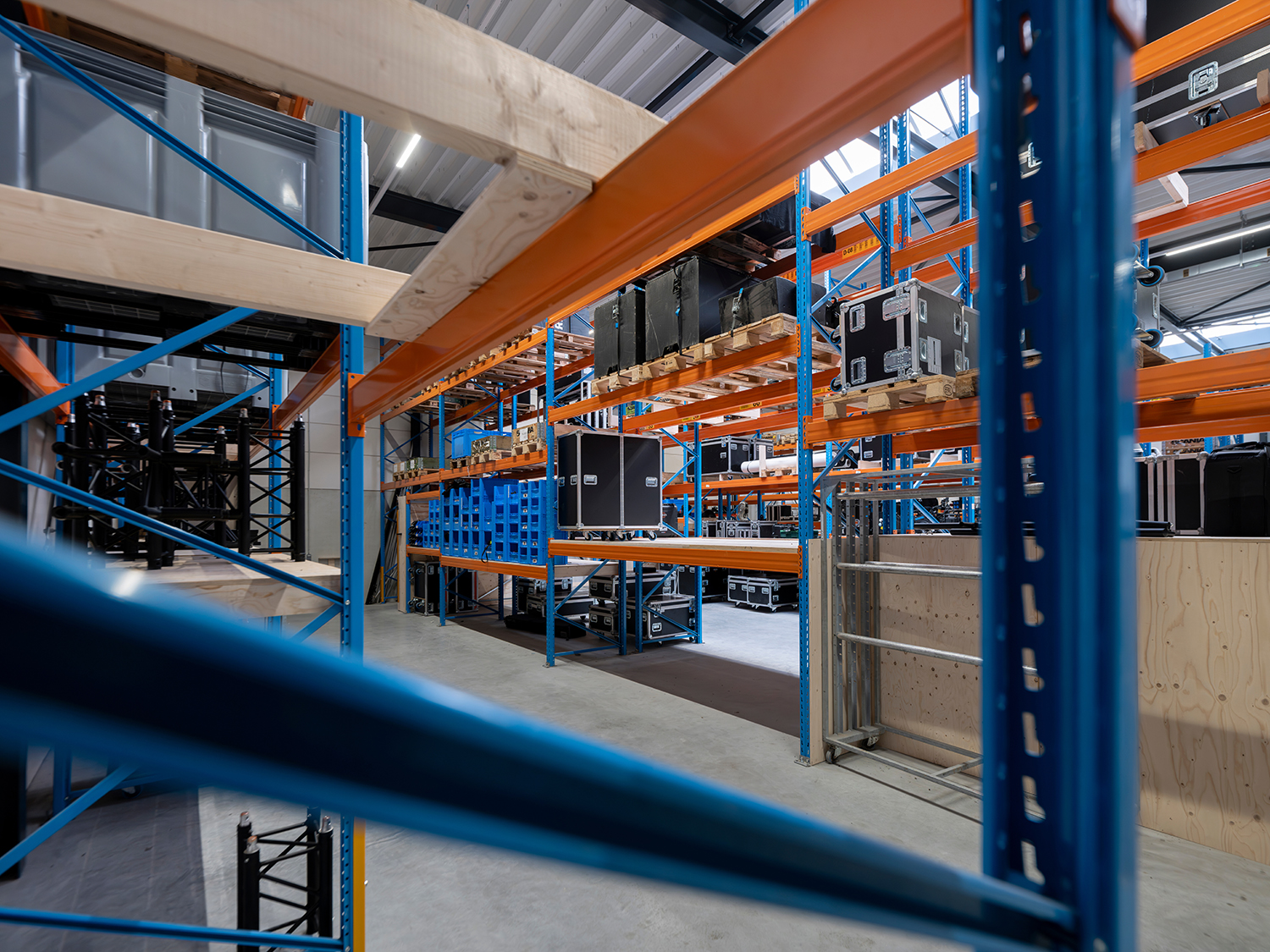
- Pallet racks are engineered for high-capacity storage. They hold pallets loaded with heavy products, and they’re designed so your forklifts can access items quickly. You load, rotate, and unload consistently.
- Industrial shelving systems give you more control over smaller, varied loads. You can store boxes, parts, tools, and mixed inventory without pallets. They adapt better when your inventory changes frequently or when you’re storing lighter items.
The key difference is that pallet racks assume you’re moving full pallets in and out, while industrial shelving assumes you need flexibility and variety.
Pallet Racks vs Shelving Load Capacity: What Can Each System Really Hold?
Your storage’s load capacity is where the math matters most.
- Pallet racks handle heavy loads because that’s their entire design philosophy. A single bay can hold 2,000 to 5,000 pounds per level, depending on design. If your business moves pallets of raw materials, finished goods, or bulk inventory, pallet rack systems give you the capacity you need without compromise.
- Heavy-duty shelving typically supports 500 to 2,000 pounds per shelf. That’s still impressive, but it’s designed for items that don’t take up an entire pallet. Steel shelving and boltless shelving work well for packaged goods, smaller boxes, or hand-picked orders.
Ask yourself first before deciding if you are moving full pallets daily or pulling individual items throughout the day. Your answer tells you which direction to go.
Space Efficiency: Making Every Square Foot Count
Both system options maximize your floor space, but they do it differently.
- Pallet racks stack high and use your vertical space efficiently. Because each level holds substantial weight, you can build up without needing additional floor footprint. If you have 20 feet of ceiling height and need to store 500 pallets of product, pallet racking is your answer.
- Warehouse shelving systems also stack vertically, but they’re better when you need flexible shelf heights and mixed load sizes. You can adjust shelf levels to fit different products without waste. A shelf system lets you customize heights between 12 inches and 48 inches, so nothing goes to waste.
Think about your inventory variety. If everything is similar size and weight, pallet racks win on efficiency. If your inventory is mixed, shelving units give you better control.
Cost: New vs. Used, and What You Actually Pay
When you’re weighing your decision between new and used storage systems, this is where you can be strategic.
New pallet rack systems and industrial shelving both come with a price tag. A new pallet rack section can cost $500 to $2,000, depending on specifications. New steel shelving runs $200 to $1,500 per unit. Smart buyers win with used warehouse racking, which often costs 30% to 50% less than new.
At Warehouse RacKings INC, we buy quality used pallet racks and industrial shelving from facilities going through transitions, equipment upgrades, or relocations.
That means you get reliable, heavy-duty shelving at a price that makes sense for your budget.
You get the same structural integrity and load capacity for a fraction of the cost. That frees up capital for other parts of your operation.
Which System Should You Actually Choose?
Let’s make this practical by breaking down the signs and see if any of this sounds familiar.
Choose pallet racks if:
- You move full pallets in and out regularly
- Your inventory is uniform in size and weight
- You need maximum weight capacity
- You’re storing bulk materials or finished goods in palletized form
Choose industrial shelving if:
- Your inventory is varied in size or weight
- You pick individual items more than pallets
- You need adjustable shelf heights
- You’re storing in a garage, shop, or smaller commercial space
- Your storage needs change seasonally or frequently
Many operations use both. Some warehouses have pallet racks for palletized bulk storage and shelving units for picking areas or smaller items. There’s no one-size-fits-all answer, and that’s exactly why talking to an expert matters.
The Real Question: What Fits Your Operation?
Storage system comparison doesn’t have to be complicated. The best choice is the one that matches how your business actually works.
Everybody needs a rack that fits. The wrong choice means wasted space, poor workflow, or money spent on features you’ll never use.
The right choice means your team moves faster, your inventory stays organized, and you’ve got room to grow without rebuilding your storage system.
At Warehouse RacKings, we specialize in both new and used pallet racks and industrial shelving. Our team can recommend exactly what makes sense for your warehouse, garage, or commercial space.
Contact us at Warehouse RacKings INC to discuss your specific needs. We’ll help you determine whether pallet racks, industrial shelving, or a combination makes the most sense for your operation.
Your operation deserves a storage system that works as hard as you do.